Travel Guidance: How to Structure Your Travel Bags for Maximum Efficiency
Effective baggage arrangement can significantly enhance the travel experience. By employing strategic packing methods, voyagers can optimize space and reduce stress. Important strategies, such as using packing cubes and prioritizing essentials, simplify the process. Comprehending how to properly organize clothing and necessities can convert chaotic trips into manageable journeys. Yet, many ignore critical elements of packing that can elevate their efficiency. Learn about the fundamental approaches that can transform how one tackles travel logistics.
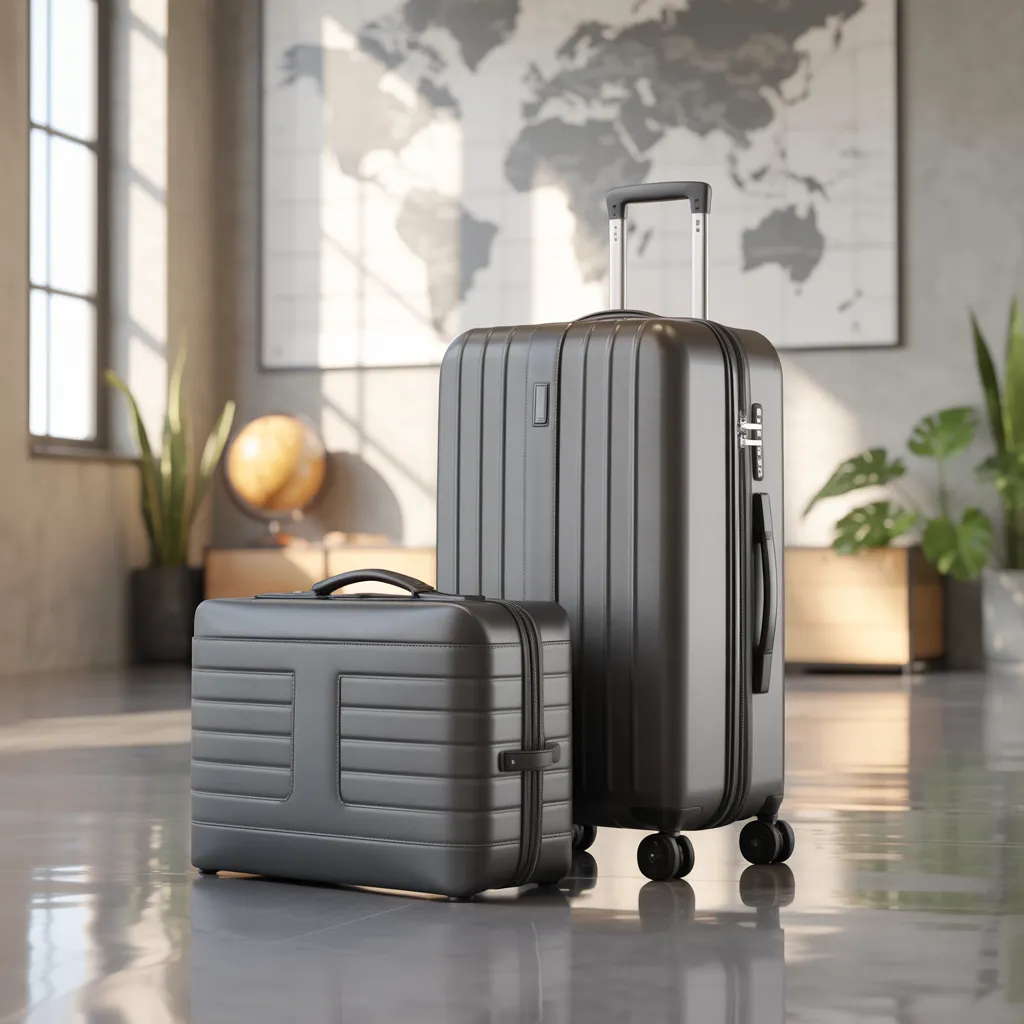
Why Smart Packaging Is Critical
Effective preparation transforms the travel journey, ensuring that necessities are easily available and properly arranged. A well-packed suitcase minimizes anxiety and saves time, allowing vacationers to focus on their journey rather than scrambling for items. When luggage is arranged, it becomes simpler to find essentials, reducing the likelihood of forgetting important items. This arrangement fosters a feeling of command, enhancing overall travel satisfaction.
In addition, efficient packing allows for better use of space, helping travelers to fit extra items into their bags without exceeding weight restrictions. This effectiveness also promotes mindful packing, prompting individuals to reflect on what truly counts for their journey. view information about Ultimately, smart packing not only streamlines the travel process but also brings about a more relaxed and comfortable experience. By emphasizing organization, travelers can manage their adventures with confidence, assured they have everything they require at their fingertips.
Key Packing Tips for Productivity
Maximizing bag efficacy can significantly enhance the travel experience. Travelers should start by rolling clothes rather than folding them, which saves space and reduces wrinkles. Utilizing every inch of luggage that is available is important; filling shoes with smaller items like socks can optimize space. Also, placing heavier items at the bottom of the bag helps keep balance, making it more convenient to carry.
A list is invaluable for guaranteeing that important things are not forgotten, while also reducing packing too much. Focusing on versatile clothing that can be mixed and matched further improves productivity. For personal care items, travelers should think about travel-sized containers or solid products to save space and comply with copyright regulations.
To summarize, keeping regularly accessed items, such as chargers or copyright, readily accessible in outer pockets can streamline the travel process. By incorporating these approaches, travelers can savor a smoother, more organized journey.
Methods to Use Packing Cubes and Organizational Systems
Packing cubes and organizers offer travelers a practical approach for efficient luggage management. They help separate clothing and accessories, making it simpler to locate items without rummaging through the entire suitcase. By using these tools, travelers can maximize space and preserve order during their journeys.
Benefits Of Packing Cubes
Adopting packing cubes can transform the way travelers organize their baggage, offering both efficiency and convenience. These small organizers help partition items, making it easy to locate necessities without rummaging through bags. By categorizing belongings—such as clothing, toiletries, and electronics—adventurers can increase space and reduce chaos. Packing cubes also enable better compacting, allowing for more effective use of luggage space. Additionally, they protect clothes from creases and potential spills, preserving the condition of packed items. Portable and flexible, packing cubes come in various sizes and colors, enhancing not only organization but also personal style. Ultimately, integrating packing cubes into vacation habits streamlines packing and unpacking, leading to a more enjoyable travel experience.
Organizing Clothes Effectively
Travelers should think about using storage solutions for shoes and accessories to keep everything organized and easy to reach. Color-marked cubes can help in quickly identifying contents, while labeling can additionally optimize the packing process. This approach not only saves time during packing and unpacking but also simplifies maintaining organization throughout the trip, ensuring a stress-free travel experience.
Tips for Arranging Necessary Belongings for Effortless Access
How can a person ensure that necessary goods are readily accessible during a journey? The key depends on thoughtful organization. First, designate a particular container or compartment for essentials such as hygiene products, chargers, and medications. This should be easily reachable without unpacking the entire suitcase. Next, use packing cubes or pouches to organize items, allowing for quick identification and retrieval.
Consider putting frequently used things, like a travel pillow or snacks, at the top of the bag. Additionally, a small backpack or tote can function as a day bag, keeping necessities close at hand during excursions.
Marking compartments or bags with labels can further streamline efficiency, confirming that one can promptly retrieve what is needed. Finally, packing in a way that aligns the travel agenda creates a better experience, minimizing the need to dig through luggage in looking for essentials.
Where should you keep your important papers?
When organizing luggage, the placement of essential papers is crucial for convenient access. Using waterproof pouches can protect these items from deterioration while making sure they are readily available during travel. Appropriate storage not only enhances convenience but also preserves critical information.
Ensure Documents Stay Easy to Access
At the start of a trip, making sure quick access to important documents helps reduce stress and simplify the travel experience. Travelers should place vital items like passports, boarding passes, and itineraries in a designated, accessible pocket within their luggage. Utilizing a travel wallet or a zippered pouch assists keep those documents in order and avoids them from being misplaced. It is advisable to keep this wallet in a carry-on bag or personal item, ensuring it remains within arm’s reach during travel. Also, keeping digital copies on a smartphone or in cloud storage offers a backup if the originals are lost. By highlighting document accessibility, travelers can dedicate themselves to enjoying their journey rather than rushing to locate essential paperwork.
Employ Water-resistant Pouches
Along with maintaining document accessibility, utilizing waterproof pouches can greatly enhance the safeguarding of important travel papers. These pouches protect from unexpected spills, rain, or humidity that could harm essential items like passports, tickets, and itineraries. They are particularly useful for travelers participating in outdoor activities or visiting destinations with unpredictable weather.
For optimal organization, it is recommended to store documents in designated pouches within a hand luggage or travel bag, making retrieval effortless during security screening or boarding. Labeling each pouch can further streamline the procedure, ensuring that vital papers are quickly recognizable. By putting money in water-resistant pouches, passengers can prioritize both the availability and protection of their important documents, thereby minimizing stress during their trips.
Enhance Your Packing Approach for Future Trips
Refining a packing strategy can transform the traveling journey, making it more effective and enjoyable. Travelers are motivated to evaluate their previous trips, identifying which objects were essential and which were avoidable. This analysis helps in developing a streamlined packing list tailored to specific destinations and activities.
Using compression bags can enhance organization, allowing for sorting of garments and items. Additionally, developing a master packing list acts as a useful guide for future trips, ensuring nothing is overlooked. Focusing on adaptable garments that can be mixed and matched reduces volume while maximizing clothing combinations.
In addition, reflecting on the climate and cultural expectations of the destination can better sharpen choices. By maintaining a minimalist outlook and focusing on quality over quantity, travelers can construct a more productive packing system that not only conserves space but also enriches the general travel experience.
Standard Questions Addressed
How Can I Decide on the Correct Luggage Capacity for My Vacation?
Determining the right luggage size is based on travel length, destination, and personal needs. For short trips, pick carry-ons; extended trips may demand oversized luggage. Plan your essential items, alongside apparel and hygiene products, for best results.
May I carry food or nibbles in my luggage?
Yes, food and snacks can be packed in luggage, but regulations differ by location. It's crucial to verify particular copyright and country limitations to guarantee compliance with customs and security guidelines before packing.
Which Fabrics Offer the Top Resilient Luggage?
Sturdy luggage is commonly manufactured with materials like ballistic nylon, polycarbonate, and high-denier polyester. These materials offer strength against wear and tear, preserving long-term reliability and protecting contents during various travel conditions.
What Approaches Can I Use to Bypass Overweight Luggage Fees?
To prevent excess baggage charges, passengers should weigh their bags before heading to the airport, use light bags, pack only what's necessary, and consider wearing heavier items during transit for effective weight control.
What packing apps are designed to help you pack?
Many travel applications aid in packing, such as PackPoint, which produces customized packing lists based on destination and activities, and Travel List, permitting users to organize items efficiently and guarantee nothing is forgotten.